Dynamic Seating: What is it and How do I Know if a Client Needs it?
Most wheelchairs and seating systems are designed to stay still, but what about when the user moves?
Most wheelchairs and seating systems are designed to stay still, but what about when the user moves?
Dynamic Seating is designed to move with the client, providing support during movement while helping maintain their position and stability for functional activities.
Dynamic components can absorb and distribute forces, helping reduce the risk of injury for the wheelchair user while also minimizing potential damage to the seating system and wheelchair. Movement can also provide valuable sensory input, which many clients actively seek.
But what exactly is Dynamic Seating, and how do you know if a client could benefit from it?
In this article, we’ll take a closer look at Dynamic Seating, explore why it matters, and discuss key factors to consider when determining whether it may be appropriate for your client.
Definitions and terminology may not seem exciting but are very important. It is critical that we each know exactly what assistive technology or intervention is being recommended or used. From 2018 - 2020, the International Dynamic Seating Workgroup (IDSW) met several times and agreed upon a formal definition of Dynamic Seating:
"Dynamic Seating is movement which occurs within the seating system and/or wheelchair frame in response to intentional or unintentional force generated by the client. Dynamic components absorb force. When client force ceases, the stored energy is returned through the dynamic component, which in turn assists the client back to a starting position."
A subcommittee of the IDSW completed a RESNA Position Paper on the Application of Dynamic Seating which was published in 2021. This paper not only defines Dynamic Seating but provides clinical guidelines and an extensive literature review. Some literature uses the term Dynamic Seating to refer to other types of intervention. Again, it is critical to be clear.
Most wheelchairs and seating systems are static. If the client moves, they will move out of alignment with the support surfaces and may not be able to independently return to their starting position. Dynamic Seating moves with the client, providing support during movement to maintain the client’s position and provide stability for function. Dynamic seating diffuses force and allows movement for vestibular input.
As one clinician put it, “Why wouldn’t we allow clients to move?” I agree!
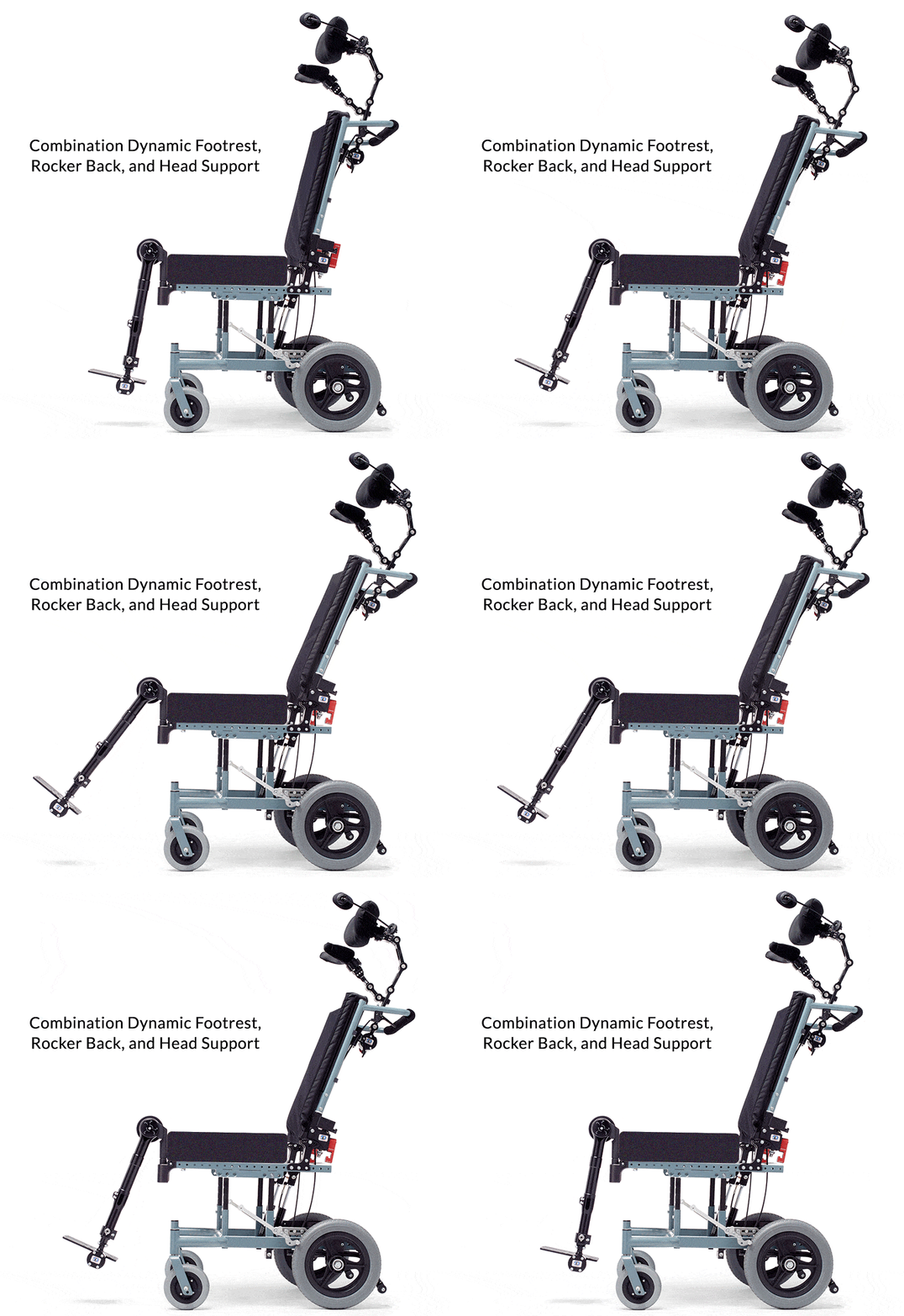
Dynamic Seating is movement which occurs within the seating system and/or wheelchair frame in response to intentional or unintentional force generated by the client.
Dynamic components absorb force. When client force ceases, the stored energy is returned through the dynamic component, which in turn assists the client back to a starting position.
Clinical indicators are the clinical goals of Dynamic Seating, such as protecting the client from injury or the equipment from damage. In this blog, we will take a look from the other side – what can you currently observe that indicates this person could benefit from Dynamic Seating?
If you observe any of these concerns, Dynamic Seating may be appropriate and should be evaluated. Let’s get clients moving!
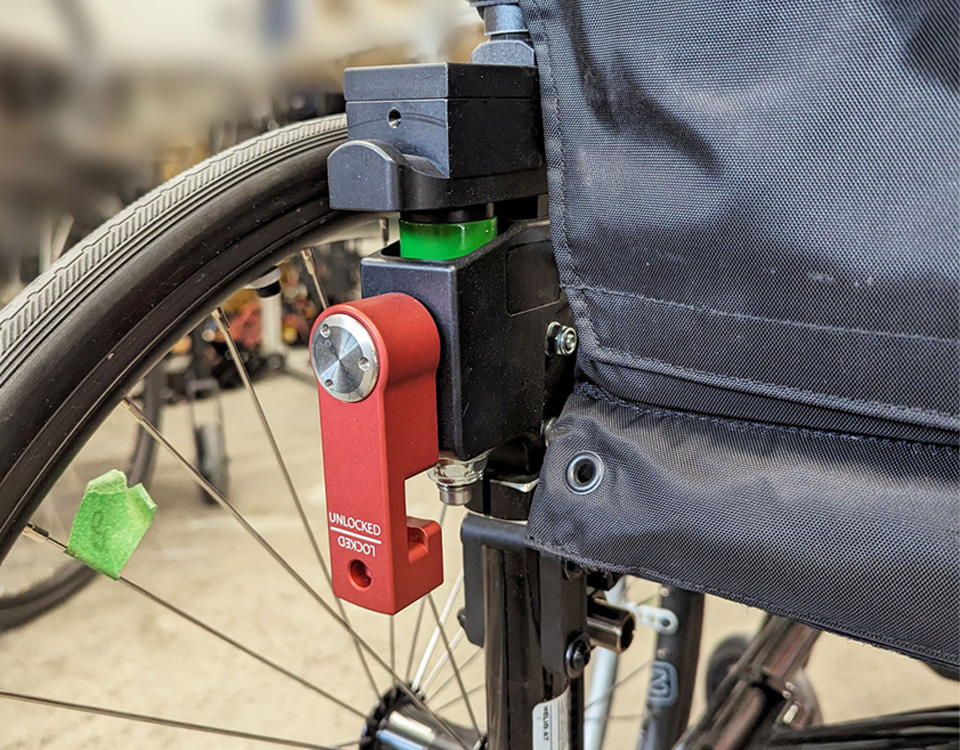
Seating Dynamics offers a Dynamic Rocker Back interface (DRBi), Dynamic Footrests, and Dynamic Head Support Hardware which can be used individually or in combination on a manual or power wheelchair.
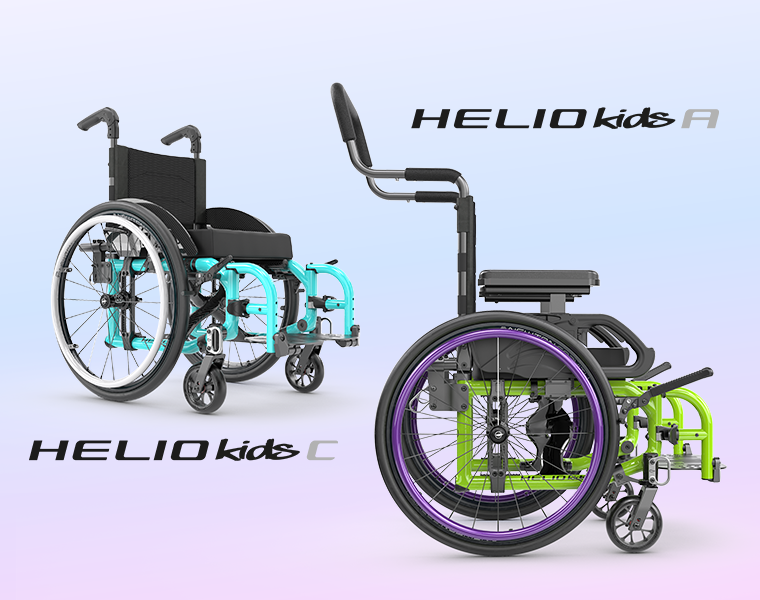
The Seating Dynamics Dynamic Rocker Back interface, and the Seating Dynamics Dynamic Footrests are now compatible with the Motion Composites HELIO A6, HELIO A7 and HELIO Kids A. The Seating Dynamics Dynamic Head Support Hardware can be mounted to nearly any wheelchair back.
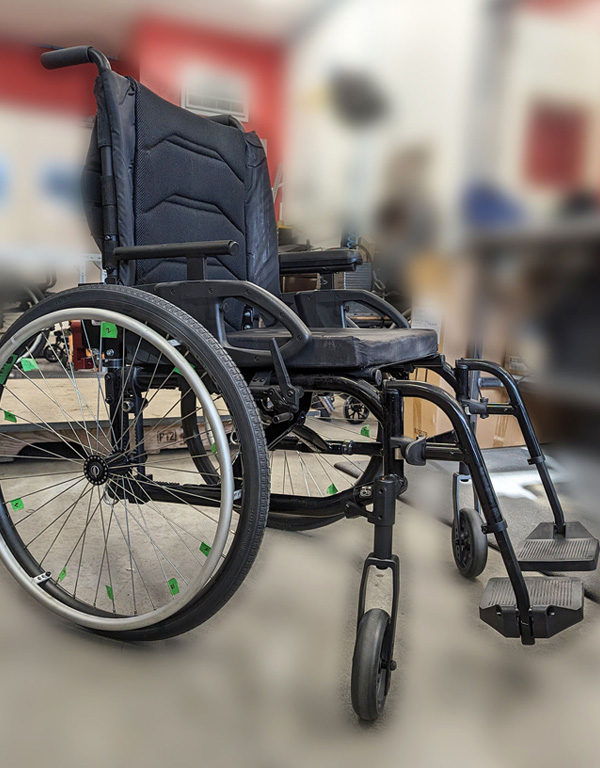
Dynamic Seating can play an important role in supporting clients who need additional movement, stability, and protection during everyday activities. Understanding how dynamic components work, and recognizing when a client may benefit from them, can help clinicians make more informed seating and mobility decisions.
Looking to see how Dynamic Seating can be applied in real-world situations? Explore our two case studies to discover how dynamic components can support different client needs, improve positioning and stability, and contribute to functional outcomes. These examples offer a closer look at how Dynamic Seating can make a difference in everyday life.
Case Study #1: Thulfeqar – the need to move in an ultralightweight wheelchair
Want to take a deeper dive into Dynamic Seating? Watch our on-demand session to learn more about the clinical considerations, benefits, and applications of Dynamic Seating, and discover how it can help support your clients’ needs.